How Cracks in Concrete Foundations Affect Structural Stability
People seeking concrete foundation crack repair aim to prevent further damage and ensure structural stability, with local contractors ready to provide expert solutions.
Understanding how cracks in concrete foundations affect structural stability is essential for property owners who want to maintain the safety and integrity of their buildings. Small cracks may seem minor, but over time, they can develop into larger issues that compromise the foundation’s strength, potentially leading to uneven settling, structural shifts, or even more serious damage. Recognizing the signs early and exploring repair options can help prevent costly repairs down the line, making it a practical concern for homeowners and property managers alike.
For those in the local area, connecting with experienced contractors who specialize in concrete foundation crack repair can provide peace of mind. These service providers can assess the severity of cracks and recommend appropriate solutions to restore stability. Whether addressing minor fissures or more significant issues, working with local experts ensures that foundation concerns are handled efficiently and effectively, helping to safeguard the long-term value and safety of a property. Keep reading to learn more about how cracks impact structural stability and what steps can be taken to address them.
- Concrete foundation crack repair services are needed when cracks threaten the overall stability of a structure and require professional assessment. Local contractors evaluate the severity of cracks and determine whether repair or reinforcement is necessary to prevent further damage. These services are essential if cracks are widening, spreading, or accompanied by signs of shifting or settling. Professionals use specialized techniques to seal and stabilize cracks, helping maintain the foundation’s integrity. Contacting experienced service providers ensures that cracks in concrete foundations are properly addressed to support long-term structural stability.
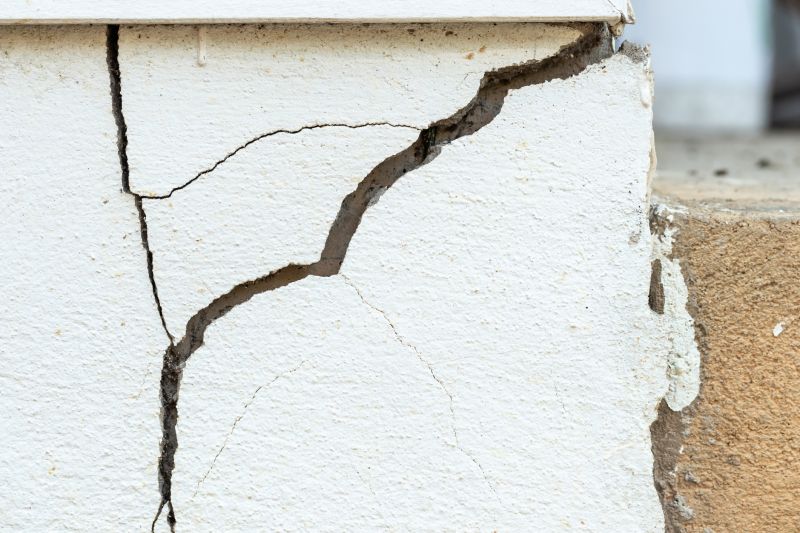
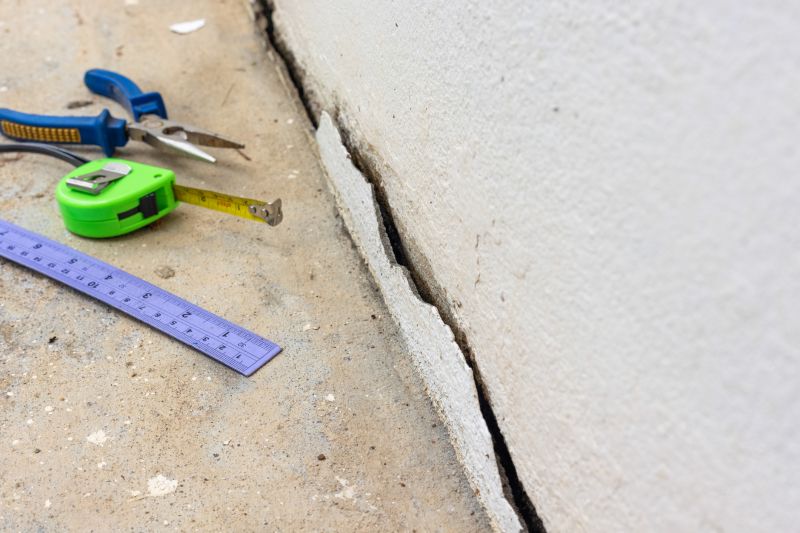
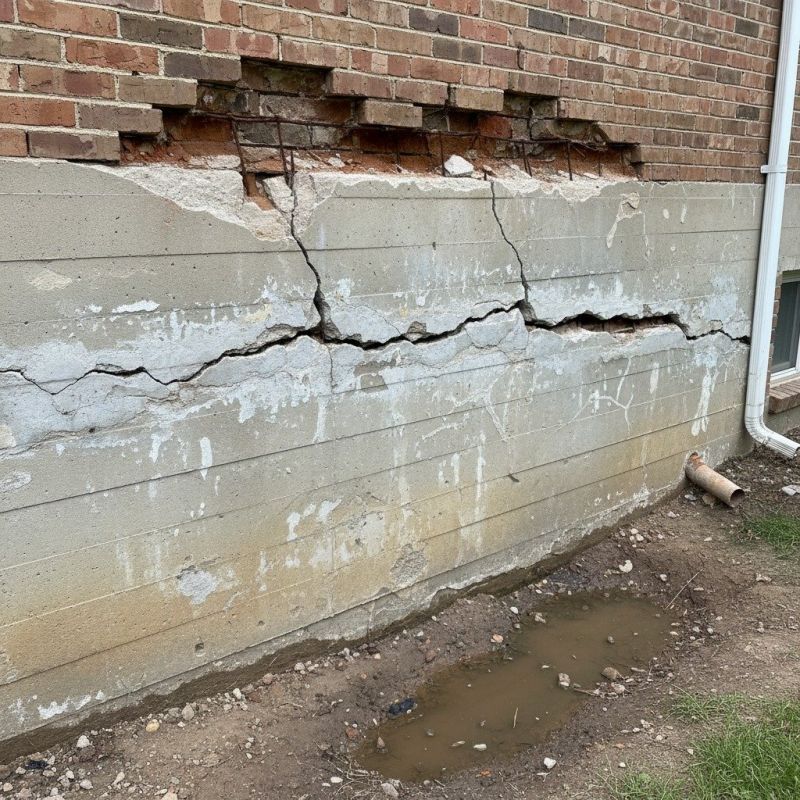
When homeowners search for information about how cracks in concrete foundations affect structural stability, they are typically trying to understand whether visible cracks indicate serious problems or if they are just cosmetic issues. Many are concerned that these cracks could weaken the foundation over time, leading to uneven settling, shifting walls, or even potential collapse if left unaddressed. This topic often comes up when individuals notice new or expanding cracks after heavy weather, nearby construction, or seasonal changes, prompting questions about whether repairs are needed and how urgent they might be. Understanding the significance of different types of cracks-such as hairline fractures versus large, shifting splits-can help homeowners assess the potential risks and decide when to seek professional evaluation.
This subject is closely tied to property plans that involve repairs, renovations, or assessments of structural integrity. For example, homeowners planning to sell or refinance their property may want to ensure the foundation remains stable and free of major issues. Those experiencing signs of foundation movement, like uneven floors or sticking doors, often look into how cracks in concrete foundations affect structural stability to determine if repairs are necessary before proceeding. Additionally, properties with a history of moisture exposure or poor drainage might be more prone to cracks that compromise stability, making it essential to evaluate the severity and cause of these damages. Local contractors specializing in foundation crack repair play a vital role in diagnosing the problem, recommending appropriate solutions, and helping property owners protect their investments.
The types of properties where cracks in concrete foundations are most commonly observed tend to be residential homes, especially older houses or those built on expansive soil. Basement foundations, crawl spaces, and slabs are typical areas where cracks develop due to shifting ground, temperature changes, or settling over time. Single-family homes are frequently affected, but multi-unit buildings and commercial properties can also experience foundation cracks that impact their structural safety. The size, pattern, and location of these cracks often influence the severity of the problem-vertical or diagonal cracks that run across the foundation may suggest different issues than hairline or spider-web cracks. Local service providers who specialize in concrete foundation crack repair are equipped to evaluate these properties and determine whether the cracks are superficial or indicative of deeper stability concerns.
Understanding how cracks in concrete foundations affect structural stability helps homeowners make informed decisions about repairs and property management. Small, stable cracks might not require immediate action, but larger or growing fractures can signal underlying issues that threaten the building’s integrity. When these cracks are properly diagnosed by experienced local contractors, they can recommend targeted repair methods-such as epoxy injections, underpinning, or wall stabilization-that restore strength and prevent further damage. Connecting with professionals who specialize in foundation crack repair ensures that property owners receive accurate assessments and effective solutions tailored to their specific property type and condition. This proactive approach helps maintain the safety and value of a property while addressing the root causes of foundation movement.
Foundation Repair - specialists who address various foundation issues, including cracks, to maintain structural stability and prevent further damage.
Concrete Leveling and Lifting - projects that involve stabilizing uneven concrete surfaces, which can be affected by cracks compromising the foundation's integrity.
Structural Reinforcement - services that strengthen building frameworks to support the structure when cracks threaten overall stability.
Waterproofing and Drainage - solutions that prevent water infiltration, which can exacerbate cracks and weaken concrete foundations.
Crack Injection and Sealing - techniques used to fill and seal cracks, helping to restore the strength and stability of concrete foundations.
Soil Stabilization - projects that improve soil conditions around foundations to reduce movement and prevent crack development affecting structural safety.
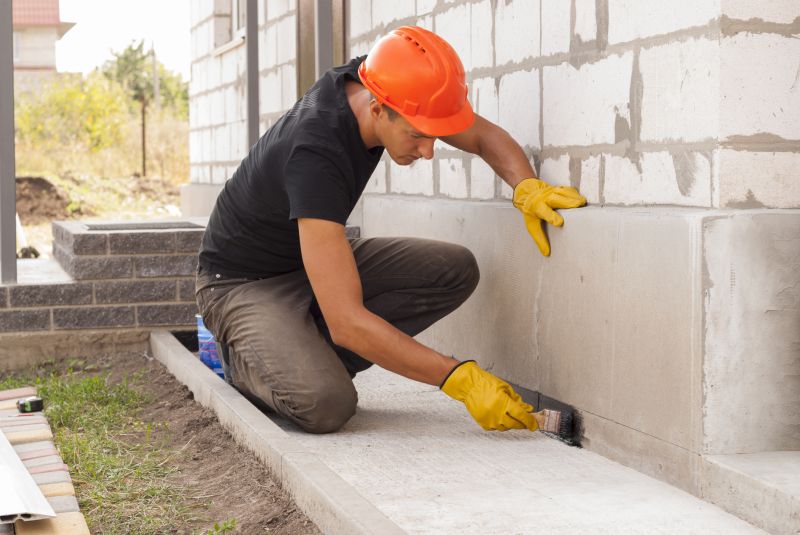
When evaluating contractors for concrete foundation crack repair, it’s important to consider their experience with similar projects. Homeowners should seek out service providers who have a proven track record in addressing foundation cracks and understanding how these issues can impact the overall stability of a structure. Contractors with relevant experience are more likely to recognize the severity of cracks, distinguish between cosmetic and structural concerns, and recommend appropriate repair methods that effectively restore stability and prevent further damage.
Clear, written expectations are essential to ensure that both the homeowner and the contractor are aligned on the scope of work, materials to be used, and the repair process. When comparing local contractors, it’s beneficial to review detailed proposals or estimates that outline the steps involved, the materials planned for use, and the anticipated outcomes. This transparency helps prevent misunderstandings and provides a basis for evaluating the professionalism and thoroughness of each service provider.
Reputable references and strong communication practices are key indicators of reliable service providers. Homeowners should consider seeking out references or reviews from previous clients who have had similar foundation crack repairs. Good communication involves timely responses, clear explanations of the issues, and straightforward answers to questions about how cracks in concrete foundations affect structural stability. Choosing a contractor who demonstrates professionalism and openness can lead to a smoother repair process and greater confidence in the results.
Property owners often search for how cracks in concrete foundations affect structural stability when they are planning practical projects around their homes and businesses. Local pros provide Concrete Foundation Crack Repair services for everyday jobs and straightforward project options.
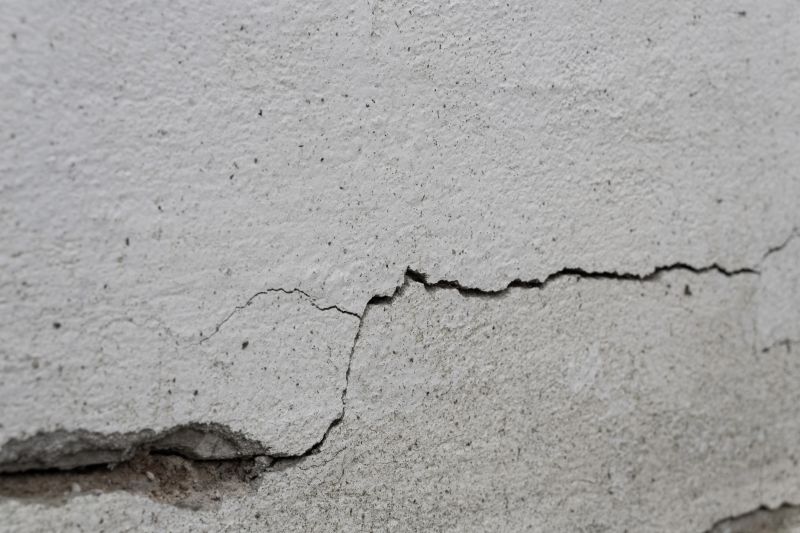
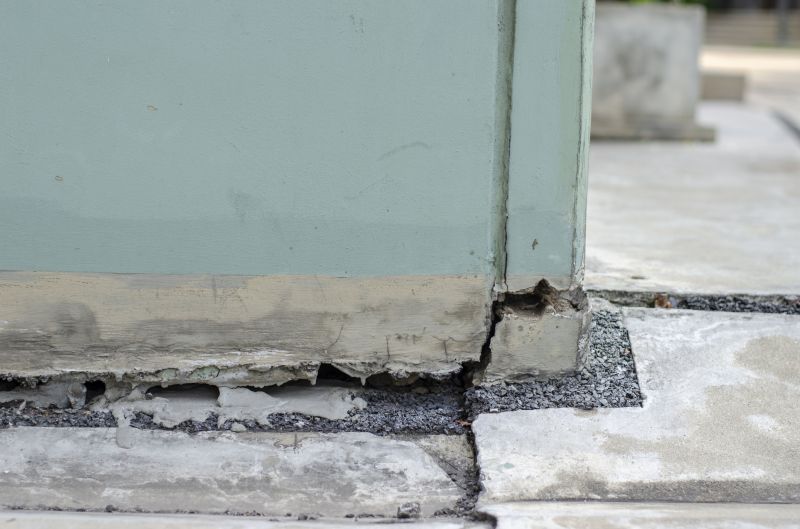
Cracks in concrete foundations are common issues that many property owners notice over time, especially in older or weather-exposed homes. While small, hairline cracks might seem minor, larger or growing cracks can signal underlying problems that threaten the stability of a structure. When foundation cracks develop, they can sometimes lead to uneven floors, sticking doors or windows, and other signs of shifting or settling. Property owners often look up this topic to understand whether these cracks are just cosmetic or if they could compromise the safety of their home, prompting them to seek advice from local contractors experienced in foundation repair.
Understanding how cracks in concrete foundations affect structural stability is important for those concerned about long-term property safety. Local service providers who specialize in foundation crack repair can assess the severity of cracks and determine if they require professional intervention. Addressing these issues early with the help of experienced contractors can help prevent further damage, such as foundation movement or structural failure. Property owners considering repair services are encouraged to connect with local experts who can provide tailored solutions to restore stability and protect their investment.
How do cracks in concrete foundations impact the overall stability of a structure? Cracks can weaken the foundation's ability to support the building, potentially leading to uneven settling or further damage if not properly repaired by experienced contractors.
Can small cracks in a concrete foundation lead to serious structural issues? Yes, even small cracks can expand over time or indicate underlying problems that compromise the foundation's stability, making professional assessment and repair important.
What types of cracks are most concerning for structural stability? Vertical or diagonal cracks that are wide, deep, or accompanied by shifting or sinking are typically more serious and should be evaluated by local contractors to determine necessary repairs.
How do local foundation repair services address cracks that threaten structural integrity? They assess the severity of the cracks, determine if underlying issues exist, and apply appropriate repair techniques to restore stability and prevent further damage.
Why is it important to have a professional evaluate cracks in a concrete foundation? Professional evaluation helps identify whether cracks are superficial or indicate a structural problem, ensuring that proper repair methods are used to maintain the foundation’s stability.
Assessing foundation cracks - property owners can evaluate visible cracks to determine if professional inspection is needed, helping prevent further structural issues.
Prioritizing repairs - understanding how cracks in concrete foundations affect structural stability allows homeowners to identify urgent repair needs and seek local contractors promptly.
Choosing repair methods - selecting appropriate crack repair techniques based on the severity of the damage can improve the foundation’s stability and longevity.
Preventing future damage - planning for ongoing monitoring and maintenance with the help of local service providers can help maintain the foundation’s integrity over time.
If you are thinking about how cracks in concrete foundations affect structural stability for a property, this guide is meant to help you understand this topic, the typical project types, and how different options might fit your plans.
When you are ready, you can use the quote form on this page to share a few details about your project. From there, local pros can review the basics and follow up with options that match what you have in mind.